
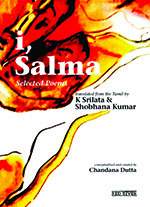
Conceptualized and curated by Chandana Dutta. Translated from the original Tamil by K Srilata & Shobhana Kumar
I, Salma: Selected Poems jolts the readers into alertness about change and tension. Salma is the pen name of a well-known Tamil writer Rajathi Samsudeen.
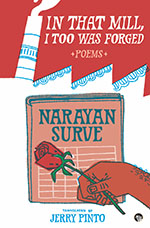
By Narayan Surve. Translated from the original Marathi by Jerry Pinto
Sometimes, we come across a voice that points out the obesity of our market-driven urges. That voice may call out across the street, on a public platform or through a book of poems and shake one out of the complacency of armchair righteousness.
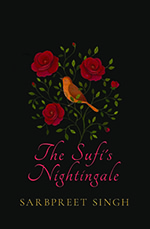
By Sarbpreet Singh
The Sufi’s Nightingale by Sarbpreet Singh is beyond the mere retelling of the blessed bond between Shah Hussain and Madho Lal. It is a journey into the nooks and nuances of a sublime relationship between the murshid-mureed, as the re-defining of loss, longing and love in 16th century Lahore.

Neera Kashyap
There is an early warning shouted out by Bhaiya: ‘Biji’s in the kitchen!’ While this warning is duly registered by Mama and Papa, Papa’s eyes turning ‘big and round as plates’, it is the protagonist, the granddaughter, who knows just what this means.

By Gayatri
Despite its elementary level, this book satisfies a fundamental need of us emotion-feeling humans—the thirst to comprehend ourselves and our inner experiences. Oh, So Emo!delivers on this need with its engaging narrative and practical tools for emotional awareness.
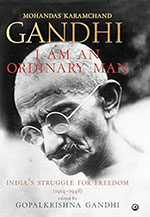
Edited by Gopalkrishna Gandhi
A book may also be judged from its significance to the times in which it is published. To the two important dates that have marked the month of January for Indians

By Amitav Ghosh
This is precisely what Ghosh has done. Eight years after the publication of Flood of Fire we have a book in which he has written about the key concerns that shaped the novels comprising the trilogy. As the narrative progressed from the first novel Sea of Poppies (2008)
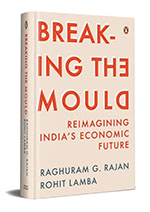
By Raghuram G. Rajan & Rohit Lamba
The key argument of this thought-provoking book is that although the Indian economy is growing, yet its impact is seen to be very uneven
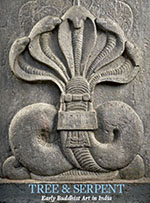
By John Guy
James Fergusson’s Tree and Serpent Worship, published in 1868, got many things wrong but one thing right. It drew attention to the abundance of trees and snakes in the sculptures at Sanchi and Amaravati.
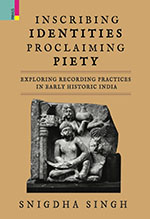
By Snigdha Singh Primus Books, Delhi
To locate the occupations, religious preferences and mobility of the ordinary man in early India, a source of utmost importance were the donative records.
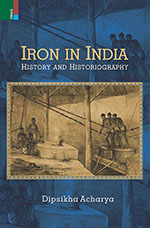
By Dipsikha Acharya
Instead of getting into the long-drawn ‘Iron Age and Social Change’ debate, she makes a case for bringing up the different aspects of iron production and their relationship with the social formations in the context of early India.
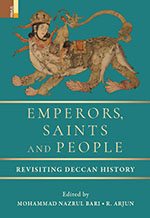
Edited by Mohammad Nazrul Bari and R. Arjun
One quickly turns the pages of the book to find out what is being ‘revisited’ to which we get an immediate answer that the book has intended to revisit ‘lesser-known history of Deccan’s social and cultural vibrancies’ (p. xvii). At the same time, at the end of their Introduction to Emperors Saints and People

By Brian C. Wilson
This is an unusual and innovative book that captures the history of Velha Goa through the lens of archeology as method, and urbanism as the heuristic category for understanding the Portuguese city as it was designed and constructed since the 16th century.

By Rahul Govind
2023
The British state, in order to establish its dominance around the globe, used a range of instruments of power. Among others, two closely linked instruments of power were the ‘Prize Laws’ and the ‘Prize Courts’.
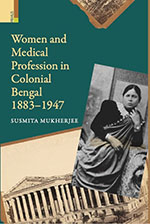
By Susmita Mukherjee
Susmita Mukherjee’s book under reviewexamines the historical and sociological processes that resulted in the concentration of women doctors in India in the Department of Obstetrics and Gynaecology.

By Fali S Nariman
Fali Nariman, now aged 94, is among the last of a generation of legendary lawyers whose ranks included the likes of Nani Palkhivala, Soli Sorabjee, Ram Jethmalani, and K Parasaran, and who effectively laid down the foundations of India’s postcolonial legal development.
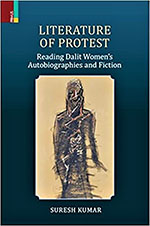
By Suresh Kumar
literary activism of women depended upon the influence of male intellectuals, it was only in the 1980s that Dalit women began writing to ‘externalize their pain, show their plight, demand their rights, spread social awareness and mobilize themselves for affirmative articulation’
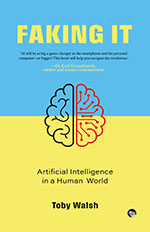
By Toby Walsh
This book’s thesis, in one line, is that Artificial Intelligence is artificial, different from human intelligence, and it is also about faking that human intelligence.
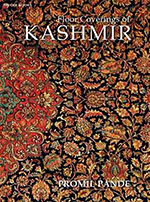
By Promil Pande
Promil Pande’s lovely book, Floor Coverings of Kashmir, comparatively slim considering its impressive content, and beautifully illustrated, brought back nostalgic memories of Kashmir
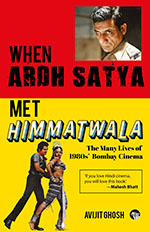
By Avijit Ghosh
The 1980s is a decade of contradictions in Hindi cinema. Theatres grew in numbers over the decade while the size of the theatre audience fell.