
M.C. Behera
Poised between the extreme confidence over neo-fabianism – that still more of state needed – and the great expectations from neo-liberalism – that more of markets would deliver – the developmentalism of the rural has taken a beating from both the thesis and its anti-thesis, during the last sixty years or so, if not more.
Peter Mollinga, Ajaya Dixit and Kusum Athukorala
Integrated Water Resource Management, or its more popular acronym IWRM, is being posited by many as the ‘new approach’ that can solve all the problems in the water sector the world over.
Dilip Mookherjee
The book primarily aimed at practitioners and students of economics, especially those who have interest in studying development issues. As the title of the book indicates, it is a compilation of essays based on published journal papers of the author (with different co-authors).
Ranjita Mohanty and Rajesh Tandon
In the current trajectory of development literature and practice few words are as central as that of participation, inclusion and identity. Located within a template of a yet to be fully democratic society and nation, efforts have been directed to address the wide range of exclusions that stem from class, caste and gender based differences in India.
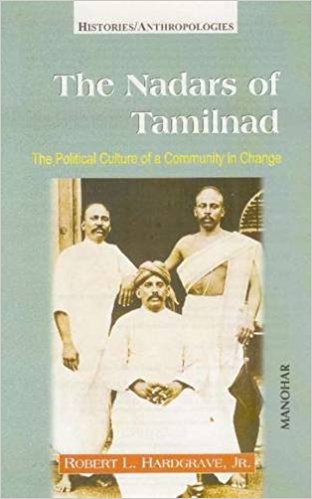
Robert L. Hardgrave Jr.
This book came out in 1969, it was hailed as more or less a landmark. It marked a refreshing and most stimulating departure that defied the commonly prevalent notion that the caste system was overtly rigid with no scope for upward mobility.
2007
A persistent lament of sociology in our parts of the world has been that our works are often captive of western theories and categories. Women’s studies have had their own share of ‘captivity’. Cultural studies have often had more than theirs. Sharmila Rege’s Writing Caste/Writing Gender marks a refreshing and clear break with this captivity.
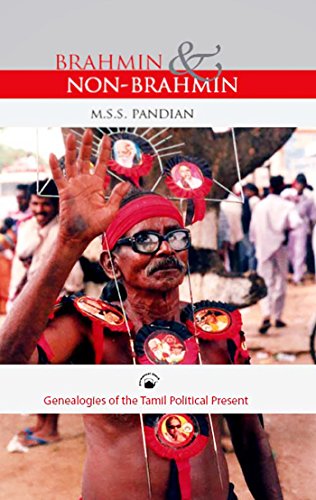
M.S.S. Pandian
The political trajectories of regions of India have been quite varied. Different regions have not only had diverse pasts but their post-colonial presents have also evolved differently. This has been despite the common colonial experience and a shared national framework of politics and economics over the last six decades. Caste has, for example,
Fali S. Nariman
In 1985, addressing the bench and the bar on Law Day, Chief Justice P.N. Bhagwati declared: “the judicial system in the country is almost on the verge of collapse.” The “weight of arrears”, the hopelessness-inducing delays, the gamble that is litigation, the incapacity of the subordinate judiciary to attract talent,
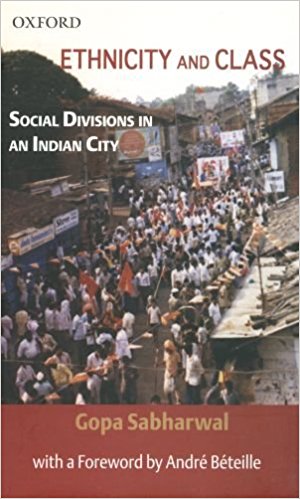
Gopa Sabharwal
This book which threatens to inundate you with unending details eventually promises you something: ethnicity is something that we need to look for as an explanation for the social dynamics of our urban settings. Ethnicity transcends such frameworks as caste with which sociologists have honed their craft hitherto and remains the mutating presence amidst the creeping universality.
Johanna Brenner
This book, written by a Marxist feminist who has been actively involved in the socialist and women’s movements since the 1970’s, is a collection of articles written from the mid-1980’s to 2000. It thus spans a period during which socialist-feminist associations gradually lost organizational strength,

Tanh-Dam Truong, Sasika Wieringa and Amrita Chhachi
The UN document on human security, Human Security Now, 2003, defines human security as the protection of the `vital core of all human lives in ways that enhance human freedom and human fulfilment.’ Amartya Sen, who was a co-chair of the Commission which published the report,
Paul Ginsborg
The volume under review is an analysis of everyday local politics with a view to inventing new forms of democracy to foster participative citizenship. Taking off from the experience of a local civic protest movement in Florence in 2002 – what the author calls Florentine
Peter Robb
Readers not yet familiar with Peter Robb’s corpus will find this double collection of his theoretical and historical essays a useful introduction to the major themes and methods that have dominated his work for over two decades. From the groundbreaking programmatic text, ‘Law and Agrarian Society in India: The Case of Bihar and the Nineteenth-century Tenancy Debate’
Gyanesh Kudaisya
Any historical account of modern UP has to inevitably confront the question: Is there still a need for yet another work on UP? Haven’t all the things worth saying already been said about the polity, economy and society of UP in the 20th century? For an exhaustive answer to the question readers are advised to go through Region,
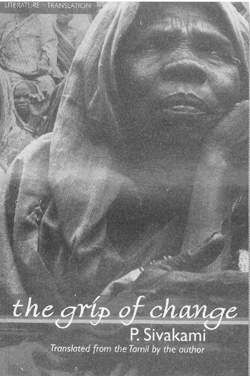
P. Sivakami
Sivakami’s first novel Pazhiyana Kazhidalum was published in Tamil in 1989. It was the first novel by a dalit woman writer in Tamil. Although Bama is a more familiar name to non-Tamil readers, Sivakami is a highly respected writer in Tamil Nadu. Her first novel was a milestone in Tamil literary domain.

Anu Kumar
2007
Every now and then one comes across a first novel that makes one sit up and wonder why you had not heard about the writer before–this is one such wonderful debut. Letters for Paul, which despite its title is not an epistolatory novel,
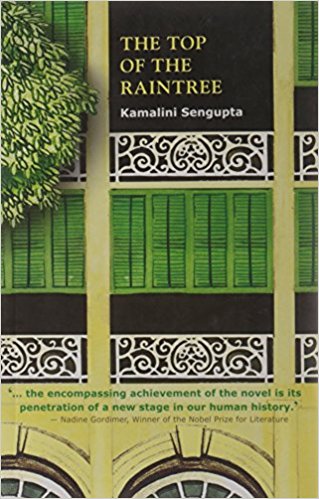
Kamalini Sengupta
Don’t judge a book by its cover. Quite right. The bland title and cover picture of The Top of the Raintree signal nothing of its brilliance. It is witty, vivid, evocative and informed. And the writing is sharp and compelling.
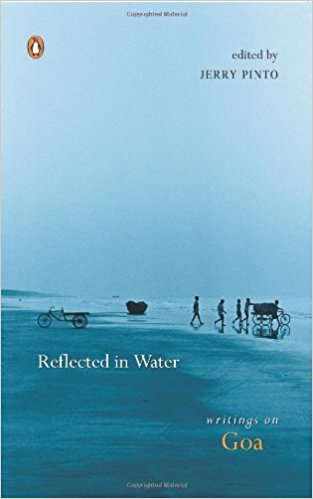
Jerry Pinto
Perhaps it is inevitable that anthologies on Goa always tend to sound like they are addressed and written for an ‘outside’ world, an outside that can be found close to home, on Goa’s beachfront. Any region that in popular stereotype is ‘not like India’ is in danger of being condemned to permanent ethnography,
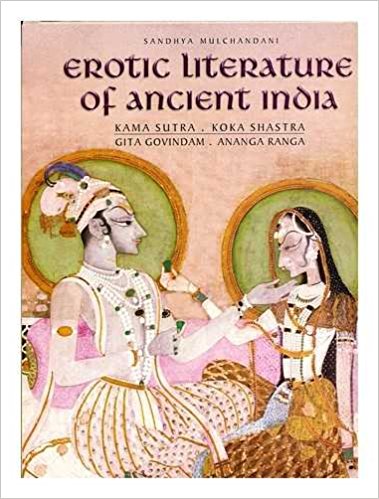
Sandhya Mulchandani
This exotically produced hardback is the kind of book one would not wish to waste much papyrus on. Filled with large size colour pictures of erotic art, presumably done in the miniature art format of the Mughal and Rajasthani schools, the reader-spectator who wishes for more academic information is left clueless about the time of composition and the regions to which these belong (there is only a list of collections from which these have been taken on p. 189).
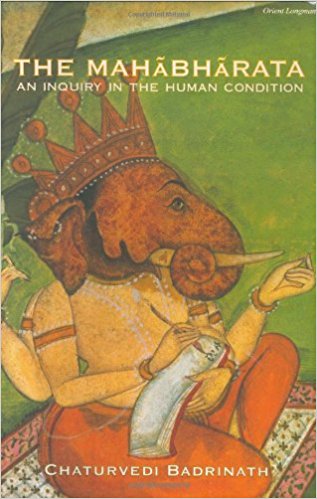
Chaturvedi Badrinath
Chaturvedi Badrinath’s The Mahabharata: An Inquiry in the Human Condition does what it promises in that it enquires into who we are and elicits ways in which the Mahabharata suggests that we might be better or, understand ourselves and our place in this world better.