
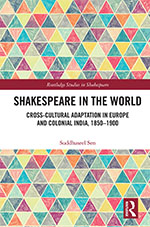
By Suddhaseel Sen
Adaptations of Shakespeare, particularly of the transcultural kind, are currently in vogue in academia; the global spread of Shakespeare through diverse media is gradually being recognized and given critical attention: for example, the latest British Shakespeare Association’s conference at Liverpool

Edited by Maya John and Christa Wichterich
Maya John and Christa Wichterich’s book, Who Cares? Care Extraction and the Struggles of Indian Health Workers, goes deep into the many problems encountered by Indian healthcare workers in India and overseas. The book, a compilation of articles, personal accounts, and research data
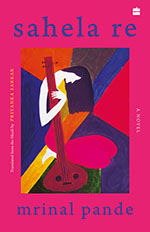
By Mrinal Pande. Translated from the original Hindi by Priyanka Sarkar
2017
A translation reflects the skills of both the author and the translator, not literally as a combined effort, but in terms of its effect on the reader.
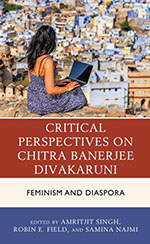
Edited by Amritjit Singh, Robin E. Field, and Samina Najmi
Like the Draupadi and Sita that she created in her memorable novels, Chitra Banerjee Divakaruni emerges in this book as a strong and questioning woman who turns received knowledge on its head. A compendium of academic essays on her works captures the genres of novel
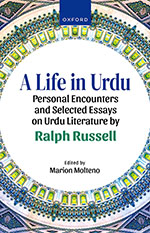
Edited by Marion Molteno
He uses examples to illustrate how the ‘limitations’ of Urdu poetry described in those histories did not give any sense of the literary or cultural histories of these forms.
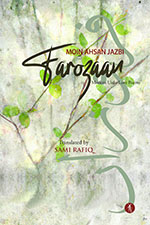
By Moin Ashan Jazbi. Translated by Sami Rafiq
It is widely believed, not too erroneously, that Urdu poetry, since its inception, has been narrating tantalizing tales of unrequited love, rejoicing in pain and spiritual sublimity in an evocative idiom. It seeks to juxtapose individual feelings of desolation and deprivation
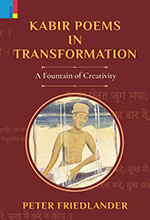
By Peter Friedlander
Peter Friedlander’s Kabir Poems in Transformation is a convergence of poetics, history and politics of translation and reception of Kabir in the last four hundred years.
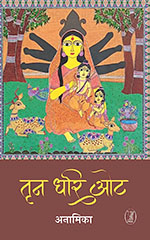
By Anamika
2023
With her latest novelistic offering, Trin Dhari Ot she makes a significant literary intervention in the mythical, feminist and creative thought space of India. It is a retelling of Sita’s tale mediated through a reformist-womanist gaze, fortified by historicism, cultural politics and contemporary contemplations.
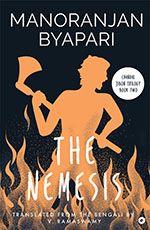
By Manoranjan Byapari. Translated from the Odia by V. Ramaswamy
This is the second of the powerful trilogy of novels by Manoranjan Byapari. It tells the story of Jibon, the central character whose desperate struggle for survival forms the basis of the plot and interconnecting narration spanning all three novels. The Runaway Boy, published in 2020
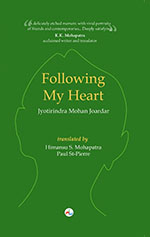
By Jyotirindra Mohan Joardar. Translated from the original Odia memoir Manua by Himansu S. Mohapatra and Paul St-Pierre
Following My Heart is published by Dhauli Books—a cherished homegrown publishing house known for nurturing and supporting local literary initiatives. It is befitting that Joardar’s Manua, deeply entrenched in the vivid tapestry of the sights and sounds of Cuttack, should find a place for its English avatar in Dhauli Books.
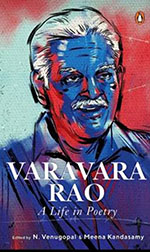
Edited and translated from the original Telugu by N. Venugopal & Meena Kandasamy
Varavara Rao: A Life in Poetry—Is it a life in Poetry or A Livewire of Poetry? ‘Livewire is Better than a Poet’ is the title of an early poem and ‘Birds like my urge for freedom/ Waiting on the power line’ are lines from another poem titled ‘Companion’.

Kolakaluri Enoch. Translated from the original Telugu by the author
2023
Enoch’s Ananta Jeevanam describes the life of Anantpur city caught in incessant rains in a drought-prone region. He portrays how the lives of the people of the town were overwhelmed by the devastating downpour. The book reminds one of James Joyce whose work Dubliners captured the essence of Dublin. It also unearths stories of the unwept and the unsung many, along with the fortunes of the feudal family of Nelagallu Zamindar.
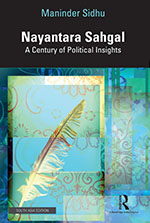
By Maninder Sidhu
While raising her concerns over calculated cultural coercion and divisive politics, Maninder Sidhu presents Sahgal as a crusader whose literary writings caution against the thinly disguised hegemonic practices to dismantle the social-cultural fabric of India.

By Ranga Rao
The novel is premised on the inner lives of three eponymous and devoted women on the Coromandel Coast during British imperialism. Their intertwined lives along the Coromandel coast aim to recover and reframe the personal and public lives of women in the subcontinent, especially during the British colonial period.

By R. F. Kuang
2023
Writing gives you power to shape your own world when the real one hurts too much. To stop writing would kill me. I’d never be able to walk through a bookstore without fingering the spines with longing, wondering at the lengthy editorial process that got these titles here and reminiscing about my own.
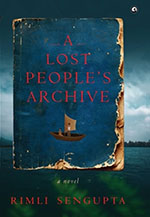
By Rimli Sengupta
At one point in Rimli Sengupta’s debut novel A Lost People’s Archive (2023) the ghost of the novel’s protagonist Shishu laments that Indians never kept archives unlike Romans and Chinese

By Anjana Appachana
2023
Mallika’s memory loss of three days. From there on we are led on a voyage of perspectives, and each of them showcases the richness of the inner lives of these characters.
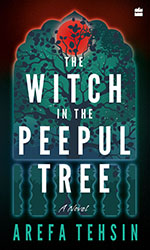
By Arefa Tehsin
Arefa Tehsin’s work of fiction The Witch in the Peepul Tree gives a peek into the myriad changes unfolding in the nation through the lives of the people in Dada Bhai’s house.

By Sharmistha Mohanty
2022
The poetry here is not in-your-face. Its intention is not to shout out, convert or proclaim; never wanting to draw attention to its intense gaze and its whispered yet assertive commenting voice.
This is a collection I have enjoyed reading.
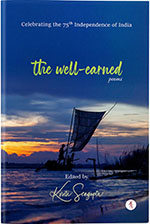
Edited by Kiriti Sengupta
As India celebrates its 75th year of Independence, Indian English poetry enters into its most robust and refulgent phase. Hitherto derided as a derivative discourse, imagined and expressed in a language which is not just alien but is patently colonial, Indian English poetry announces its ‘freedom’ from such insidious denunciations.