
Fiction-In Translation-Marathi
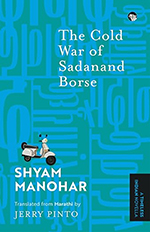
By Shyam Manohar. Translated from the original Marathi by Jerry Pinto
As a short novella, however, it dragged and dragged and dragged till the dialogues—as repetitive as in real life—started spinning in my head. My copy had some misaligned pages—while pages 81 to 95 were missing altogether, the pagination didn’t just jump. Instead, the pages between 67 and 80 were repeated in random combinations, several times, and I didn’t even realize it—the entire structure being so similar—dialogues in a loop going nowhere, a sense of overwhelming ennui, the pointlessness of everything… if that was what the writer intended to convey, he succeeded, but left me, the reader, with the sense that the book was quite pointless.
It is of course possible that the Marathi prose sparkled; the English text was simply prosaic. And while I have frequently felt thrilled at the inventiveness of writers from Arundhati Roy to Zadie Smith, realizing how
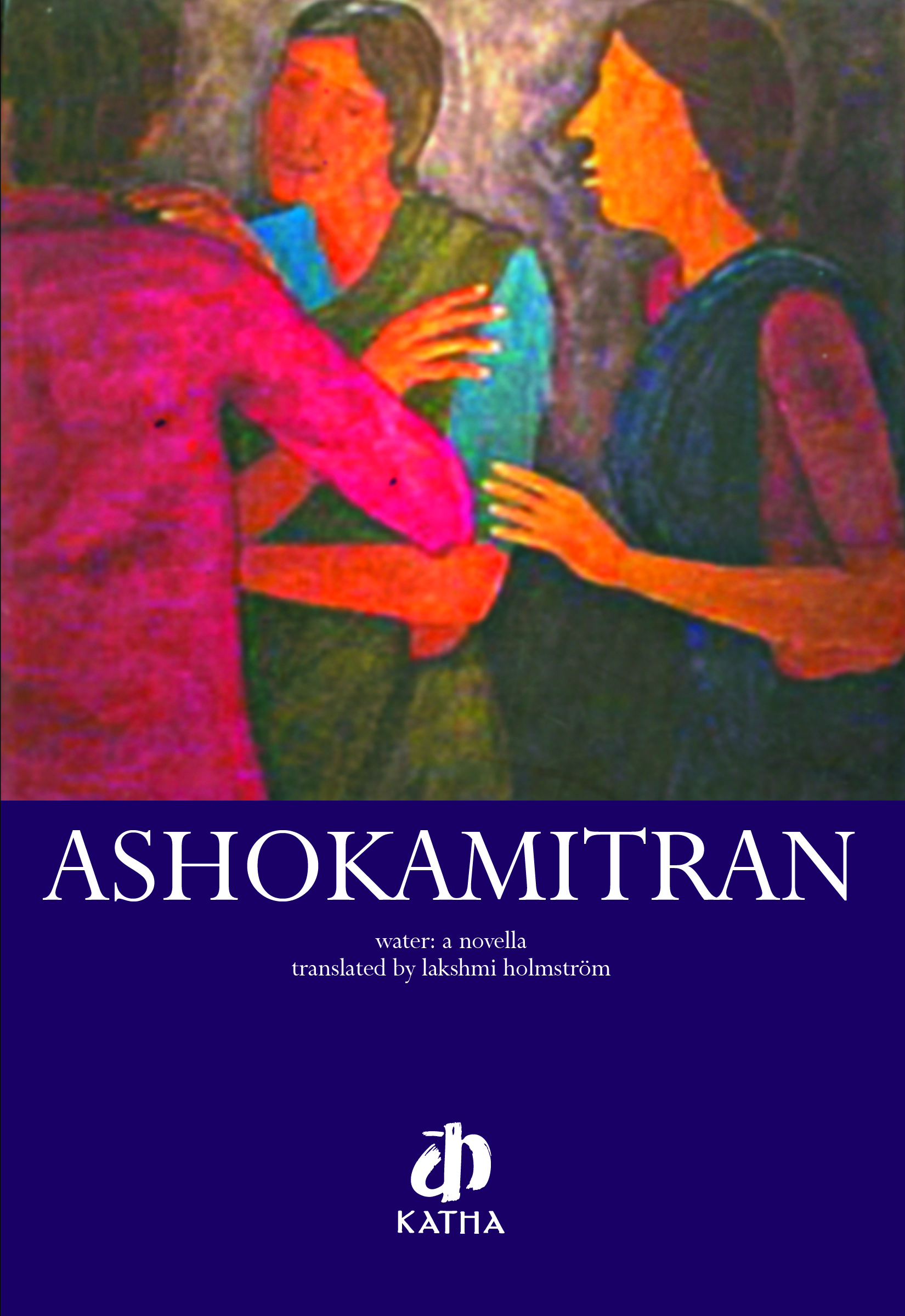
By Ashokamitran. Translated from the original Tamil by Lakshmi Holmström
Jamuna and Chaya are sisters and residents of the street, as are Teacher Amma, the landlady, and assorted other characters. They navigate their way through the water drought according to their individual sensibilities. Teacher Amma bears the brunt of an abusive husband and a cheerless home, and yet has the empathy to offer Jamuna a shoulder to cry on when Chaya says she can’t take it anymore and moves out to a hostel.

By Avadhoot Dongare. Translated from the original Marathi by Nadeem Khan
Nadeem Khan’s translation is excellent. In times when we have serious debates on the political and subjective agency of the translator, Khan seems to be a follower of the classical school: not displaying any inclination towards transcreation and the dubious freedom it brings.