
Fiction–In Translation–Assamese

By Arupa Patangia Kalita. Translated from the original Assamese by Ranjita Biswas
They occupy a liminal space with no social position. Kalita’s powerful images and metaphors convey the devastating loneliness and agony of Durgi and her son, Laba. Durgi hallucinates about women like her floating over the tea bushes with vague sounds coming from them—‘Were they singing, or weeping, or angry?’ She could neither enter the respectable Assamese society, nor her own community living in the labour lines; and stepping into matrimony with a white man was unthinkable. While her son Laba, treated like an untouchable in a North Guwahati household, enters ‘a cave of loneliness’,

By Sunil Gangopadhyay. Translated from the original Bengali by Chitrita Banerji
In the very first story ‘The Drought’ we are shown how eight reporters going from the city to report on a particular event for a company promotion are stranded midway in the Chhota Nagpur region when their car breaks down. They put up at a guest house, drink, and lazily while away their time talking and debating endlessly over different issues and have the best rice in that drought-stricken area for lunch. The debate about what they should do with the surplus food makes for interesting reading and the way in which a journalist is grappling with moral fatigue in a drought-stricken land leaves us awestruck.
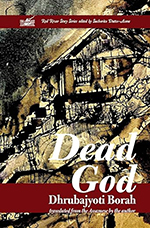
By Dhrubajyoti Borah. Translated from the original Assamese by the author
2024
The novella also situates the miners’ struggles within the volatile identity politics of the region. Parallel to the strike, political agitation in distant Shillong against ‘infiltrators’ portrays the labourers’ demands for safety as an existential threat to the rights of indigenous tribals. The workers who are already marked as outsiders, become scapegoats for broader anxieties over demographic change.