
Fiction
Vikram Seth
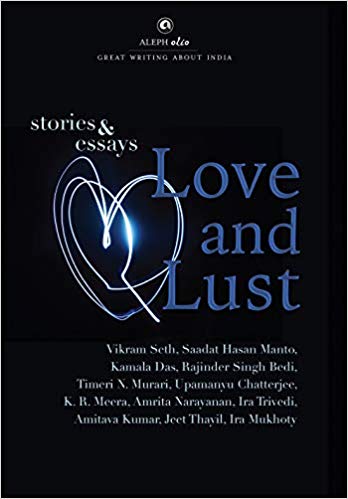
Imagine miniature vials of premium perfume curated by a well-known and trusted brand and aesthetically packaged and gift wrapped. Now replace those vials with slices of literary works by some of India’s well known writers enclosed in a hardbound book with a jacket that spells sophistication, stamped with the logo of a publisher that constantly strives to break new ground, and voila! There you have it! Love and Lust: Stories and Essays from Aleph’s Olio series.
Uzma Aslam Khan
Why do postcolonial states turn penal colonies into tourist destinations? Devil’s Island in French Guiana, Robben Island in Cape Town, South Africa, Penang in Malaysia or Port Blair in the Andamans seem to compete for a place under the sun; their contemporary fame ill accords with their past notoriety.

Mirza Waheed
‘Of all the men in the world, of all the doctors in the world, of all the fathers in the whole world. I happened to be the one present in that place at that time.’ This line from Mirza Waheed’s Tell Her Everything immediately brought to mind that iconic dialogue from the iconic movie Casablanca: ‘Of all the gin joints, in all the towns, in all the world, she walks into mine…’
Upamanyu Chatterjee
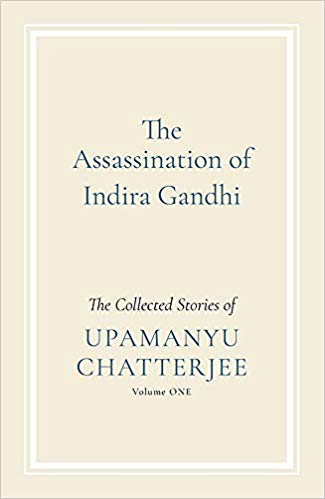
In 1988 Upamanyu Chatterjee, a Patna born career bureaucrat, published English, August: An Indian Story. The novel, Chatterjee’s first, was a literary sensation. Turning into a cult novel, it transformed the Indian English writing space forever. Very few novels, we must admit, have played such a significant part in our literary scene as Chatterjee’s English, August did; indeed, Agastya Sen is a young man impossible to forget and so is Madna, the small town tucked away somewhere in the vast Indian landmass.
Merchant-Prince Shattan/Ā’ishah Al- Bā‘Ūniyyah/Pingali Suranna/Nazir Ahmad
If one were to play the game…

Prannoy Roy
In this timely book, The Verdict: Decoding India’s Elections, India’s original, most popular, and respected pollsters, Prannoy Roy and Dorab R Sopariwala unpack their story of elections in the world’s largest democracy. Spiced with anecdotes from the field and bits of dry humour, this deftly crafted, superbly researched volume presents ‘the characteristics, the experience, and the lessons learned from watching and studying Indian elections over the last seven decades.’
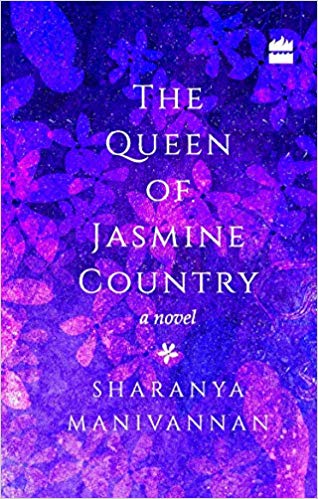
Sharanya Manivannan
The Queen of Jasmine Country brings to us a unique experience of sensuality and spirituality coursing through Kodhai, as she stands delicately poised on the cusp of womanhood. It is an old story made new in retelling, poetic in expression, languorous with longing.
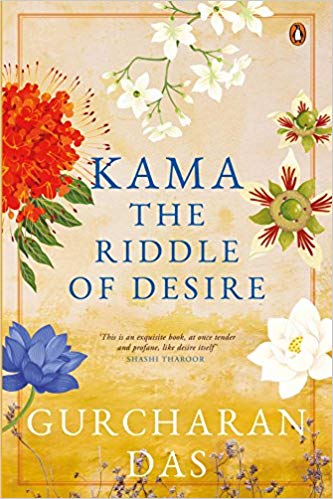
Gurcharan Das
Dharma, artha, kama and moksha are the four purusharthas in Hindu philosophy. A purushartha is an object of human pursuit or a purpose of a human being. Gurcharan Das has written about artha (India Unbound) and dharma (The Difficulty of Being Good). Now, he has written about kama–perhaps the biggest challenge of his career as a writer.
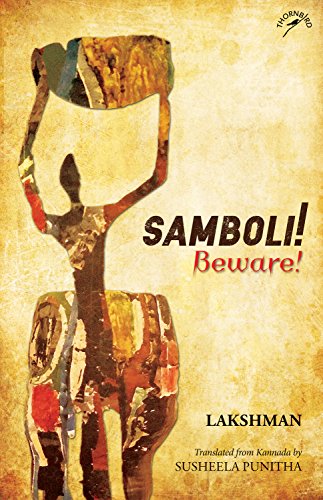
Susheela Punitha
2018
Samboli! This expression is not from yesterday or the day before; it is centuries old. Manu, the ancient law-giver, decreed that people belonging to any of the untouchable castes of this country had to hold a pole with jingling bells tied to one end and pound it on the ground at every step to make a sound jal-jal. They had to call out ‘Samboli! Samboli!’ This is the Samboli pole warning others of their presence.
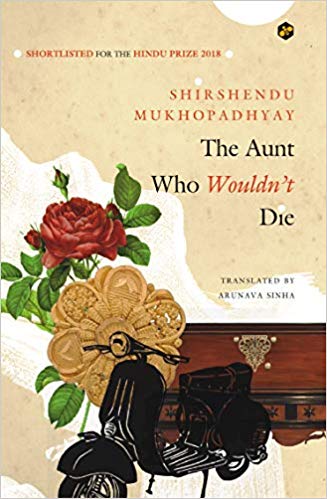
Shirshendu Mukhopadhyay
Shirshendu Mukhopadhyay’s Goynar Baksho is a Bengali novel about the ghost of Pishima. Married at the age of seven, widowed at twelve, Pishima lives in three rooms of her paternal house and owns a jewellery box. The possession of this box after the sudden death of Pishima pushes the plot until the ghost of the dead Pishima forces the innocent newly-wedded bride, Somlata, to hide it in her room.